


What is Endometriosis?
Endometriosis is a progressive, chronic condition in which cells similar to those in the lining of the uterus grow in other parts of the body. It most commonly occurs in the pelvis and can affect a woman’s and those assigned female at birth’s reproductive organs, however as of 2021 endometriosis has been found in every organ of the body.
The condition is complex because symptoms and pain levels can differ significantly from person to person, and the severity of the disease does not necessarily correlate with the intensity of symptoms. Additionally, endometriosis is often invisible from the outside and requires specialised surgery or advanced imaging for diagnosis. Due to its varied presentation and diagnostic challenges, many individuals experience delayed diagnosis. Endometriosis is a lifelong, often painful and debilitating condition with no known cure.
Key Symptoms
Everyone experiences endometriosis differently, but common symptoms include:
Chronic pelvic or abdominal pain
Painful periods (dysmenorrhea)
Pain with sex (dyspareunia)
Fatigue or exhaustion
Pain when going to the toilet
Bloating or gastrointestinal symptoms (sometimes called “endo belly”)
Difficulty conceiving or infertility
Back, leg, or nerve pain related to deep infiltrating disease
Some people have no symptoms at all—yet still live with the damage of the disease. Others may experience debilitating pain with no visible disease during surgery. Endometriosis is real, even when invisible.
Information for Medical Appointments
Support for Endometriosis
Diagnosis Delays and Challenges
Despite growing awareness, it still takes too long to diagnose endometriosis. Most people experience symptoms for years, often since their first period, before receiving an accurate diagnosis.
Why?
Symptoms are frequently dismissed or normalised.
People often feel shame or embarrassment discussing pelvic pain.
There is still a lack of training and awareness across healthcare systems.
Diagnostic surgery may not be readily accessible.
Efforts across the sector are underway to reduce diagnostic delay and increase non-invasive diagnosis through specialist imaging and greater clinical awareness.
Historically, endometriosis could only be definitively diagnosed via laparoscopy. Today, skilled practitioners using advanced pelvic ultrasound can often detect signs of deep infiltrating endometriosis or endometriomas, offering earlier and less invasive diagnostic options.
However, not all forms of the disease are visible on imaging, and access to specialist sonographers remains inconsistent across Australia—especially in rural and regional communities.
Treatment & Management
There is no cure for endometriosis, but it can be managed.
Best practice involves:
Laparoscopic excision surgery by an experienced surgeon
Pelvic physiotherapy to manage pain and restore function
Pain management (both pharmacological and non-pharmacological)
Hormonal therapies, such as the pill or IUD, for some people
Dietary and lifestyle adjustments for symptom control
Psychological support for mental health impacts and trauma
Fertility support, when relevant
Endometriosis often needs a multidisciplinary team of gynaecologists, pain specialists, nurses, pelvic physios, psychologists, and dietitians to support the whole person.
FACTS
Pelvic Pain
1 in 5 individuals assigned female at birth live with pelvic pain.
A significant number of people experience years of discomfort before they find the appropriate support. Worldwide, more than 300 million individuals are affected by pelvic pain, and this figure is probably higher than reported, with the prevalence rising rapidly. Chronic pelvic pain is a complex and distressing issue that can stem from a variety of conditions.
Australian Coalition for Endometriosis in collaboration with members such as the Pelvic Pain Foundation of Australia seeks to build a healthier and more productive community by improving the quality of life of those with pelvic pain.
Head to the Pelvic Pain Foundations website to access support, resources and information about PEPP Talk - the Periods, Pain and Endometriosis education for students in Year 9 and above.
RESOURCES
More Information About Pelvic Pain
Endometriosis: Shared Perspectives - Video Library
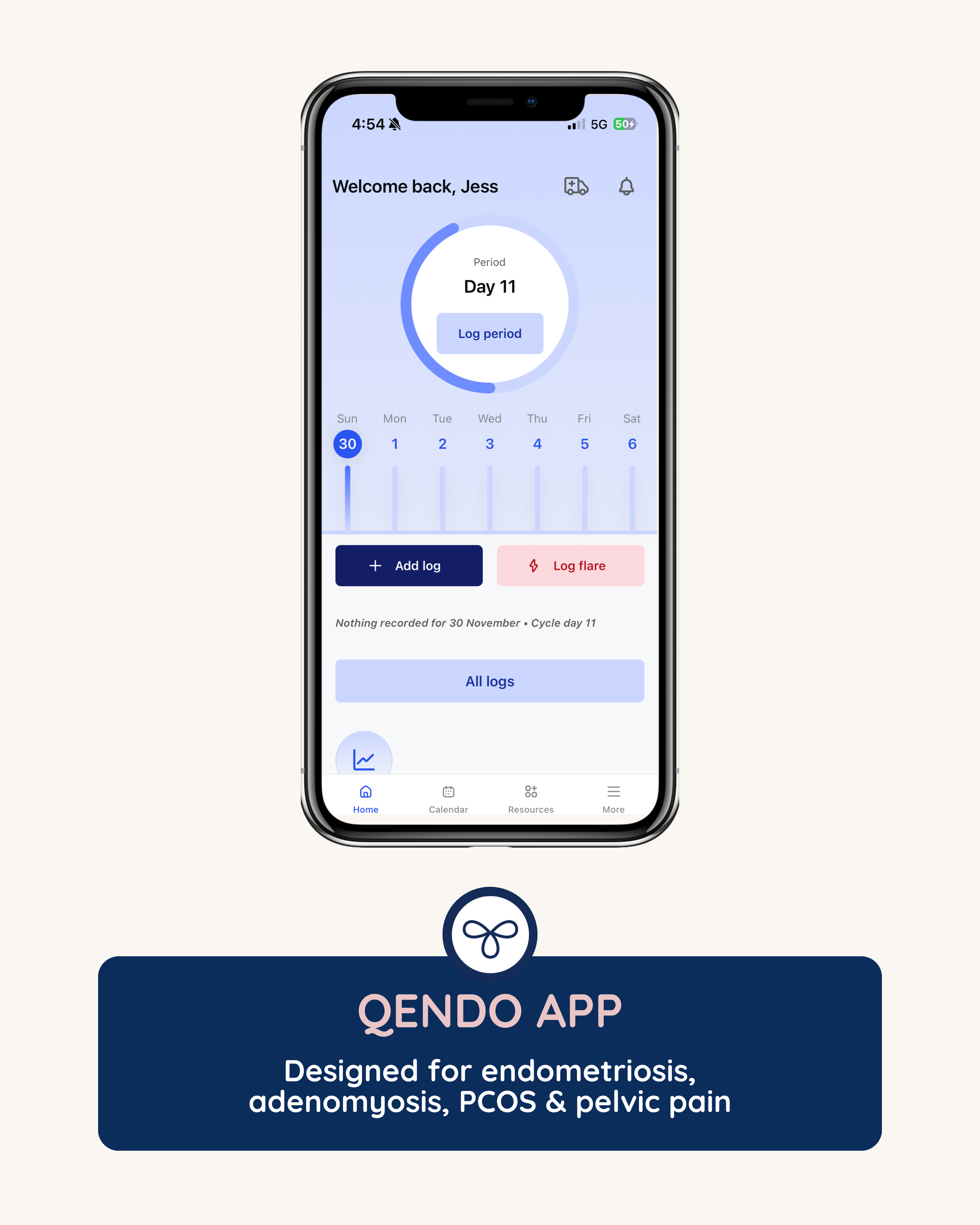
QENDO APP
These resources were developed by Australian Coalition for Endometriosis member, EndoActive and are supported by a grant from the Australian Government Department of Health.
Free Endometriosis, Adenomyosis, Pelvic Pain PCOS and Infertility App - developed by Australian Coalition for Endometriosis member, QENDO.


RACOG Raising Awareness Tool for Endometriosis
PEPP TALK
RATE is a a questionnaire developed by the Royal Australian College of Obstetricians and Gynaecologists, which may help you and your doctor to recognise and assess symptoms that you have that may be associated with endometriosis.
PPEP Talk® is a fun, medically accurate and age-appropriate information session incorporating the modern neuroscience of pain, of benefit to all students, particularly the 1 in 4 people assigned female at birth with severe period pain.
WHERE TO GET HELP
Support across Australia
People seeking support from across Australia can connect with their local organisation through state-based or national services.
-
-
Support for people in Victoria - EndoHelp
-
-
-
Information coming soon!
-
-
-
Information coming soon!